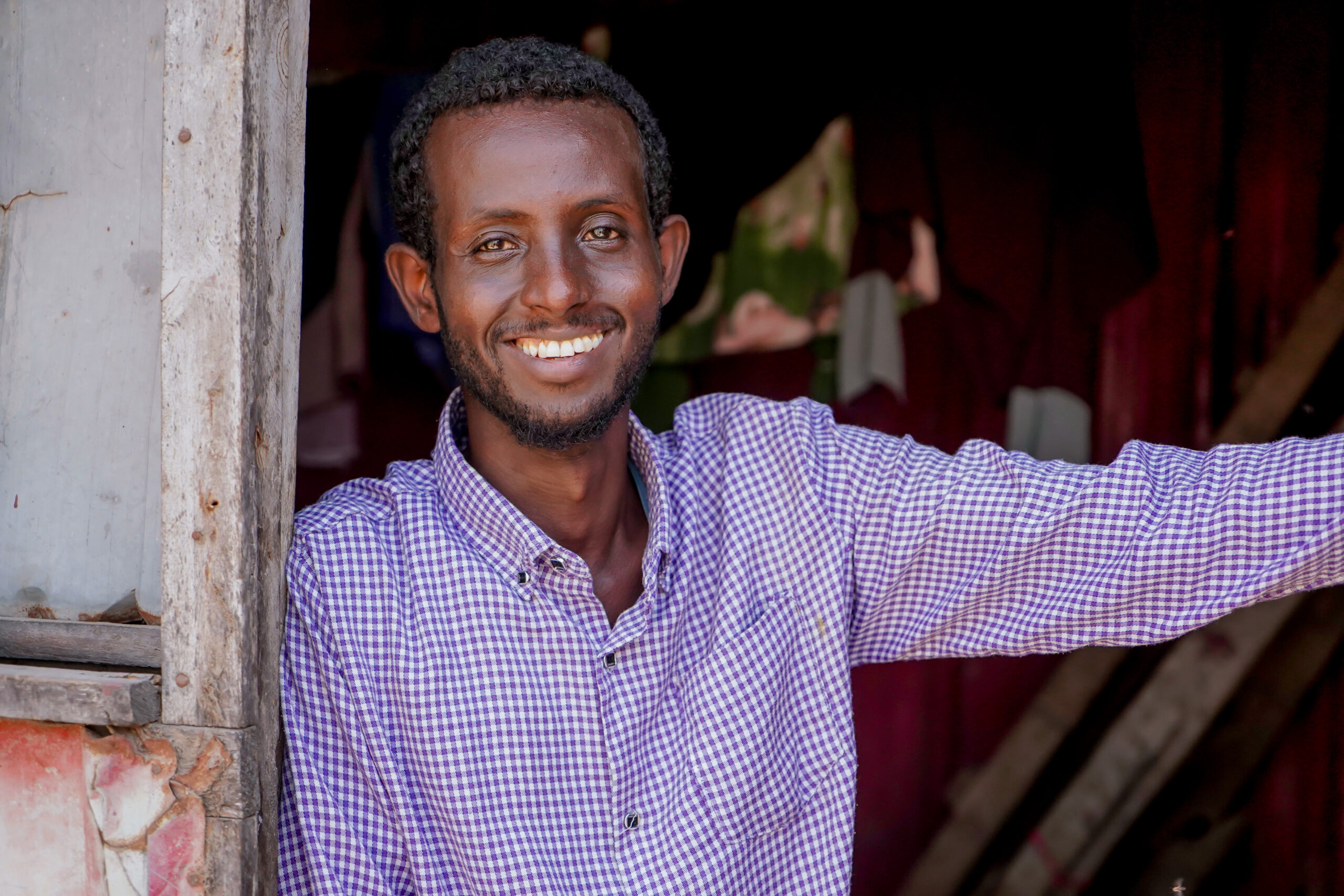
Abukar Hussein Mohamud, 28 years old a further of 5 children and a husband of Naimo Mohamed Barqadle, 26 years old, they lived together at Karan district at about 10 years. Abukar grew up in a traditional gender norms where rigid gender norms shaped family and social life of the community. Decision-making power was primarily held by men, while women were expected to manage household responsibilities and childcare. Like many men in his community, Abukar believed that leadership and financial decisions were exclusively to male responsibilities.
Before participating in the Gender Transformative Dialogue (GTD) sessions, Abukar rarely consulted his wife on household matters but the household chores was considered solely the wife’s responsibility. He considered women’s participation in public meetings unnecessary and believed that educating boys was more important than educating girls because men are the leaderships in their community.
The participant was enrolled in 2025 for the programme’s Entrepreneurship and Business Skills Training (ENT) component after the eligibility criteria of extreme poverty and those with limited livelihood opportunities in the area. Abukar joined the GTD sessions organized by Youth Link through Community Engagement and Empowerment Facilitator, he attended the sessions and demonstrated strong commitment. Initially he was skeptical about the topic and was also in a state of alertness, through facilitated discussions, role plays, and reflection exercises, Abukar began examining how harmful gender norms affected not only women but also men and the broader community. The dialogue sessions brought together men and women to critically examine gender roles, power dynamics, positive masculinity, shared household responsibilities, leadership styles and non-violent conflict resolution within the family.
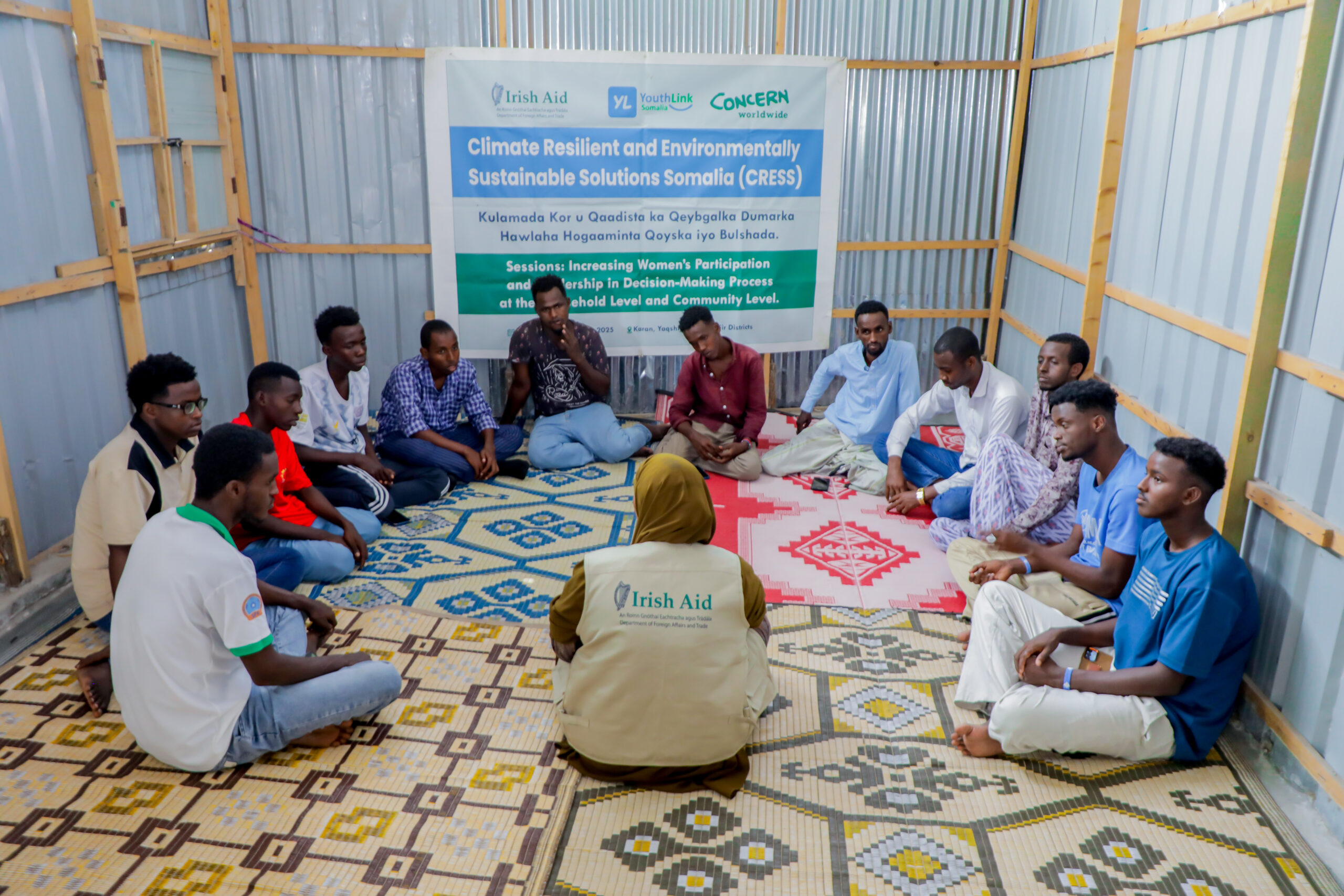
Facilitator used participatory approaches including storytelling, role-plays scenarios reflecting local realities, and guided group discussions to encourage self-reflection and peer learning. Religious and cultural perspectives supporting justice, mutual respect, and compassion within families were also integrated to ensure contextual relevance.
The Gender Transformative Dialogue (GTD) sessions, an essential component of the programme, provided an organized platform for promoting social and behavioral change aimed at promoting gender equity and strengthening household and community relationships, equipping households with practical knowledge, skills, and tools to facilitate gender equality, challenge harmful social norms, and encourage shared responsibilities within families. However, through continued engagement in dialogue sessions, he began to reflect on the unintended consequences of rigid gender expectations particularly the impact on family cohesion and children’s well-being.
He recognized that excluding his wife from financial decisions limited the family’s potential and contributed to unnecessary tension. Over time, he initiated changes within his household. He began consulting his wife on budgeting, medical-related expenses, and livelihood planning. He also reduced confrontational behavior and encouraged open communication. She also gained increased confidence, which led her to encourage him in his development; it was she who encouraged him to benefit from this project and informed him about the project. He reflected when we were our gender transformative sessions and said: “I realized that respecting my wife’s voice does not reduce my role as a man. Instead, it strengthens our family and sets a better example for our children, now we make decisions together, whether they are related to health or finances”.
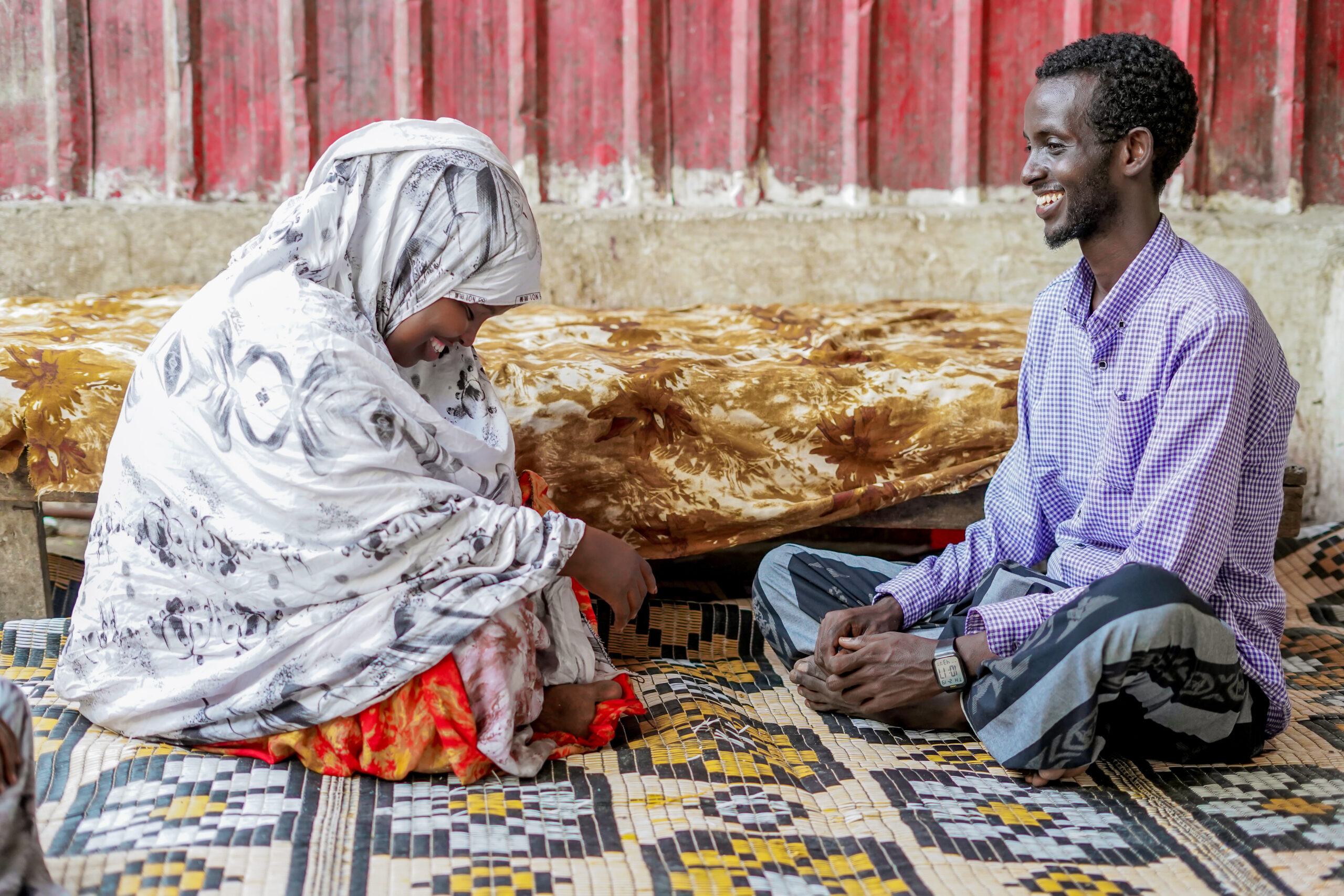
The household demonstrated notable improvements in communication and cooperation, sharing household chores. Joint decision-making became routine practice, particularly in matters related to children’s medicine, education and household expenditures although there is a challenge in the community since the community sees it as wrong for a husband to share household chores and decision-making with his wife, it has had no impact on me and reflected: “One day, while I was washing clothes, a women came looking for some items in my house. She saw me washing clothes and said, ‘Where is your wife? Why are you washing clothes?’ There are people who are surprised when a man does household chores”.
The participant’s wife reported feeling more valued and respected and household conflicts decreased significantly. The impact extended beyond the immediate family. The participant began informally advocating for equitable practices among male peers in the community, challenging harmful stereotypes that associate masculinity with control. His visible behavioral change increased community interest in participating in future dialogue sessions. Children within the household have also benefited from a more stable and supportive home environment, contributing to improved emotional well-being and positive parental engagement.
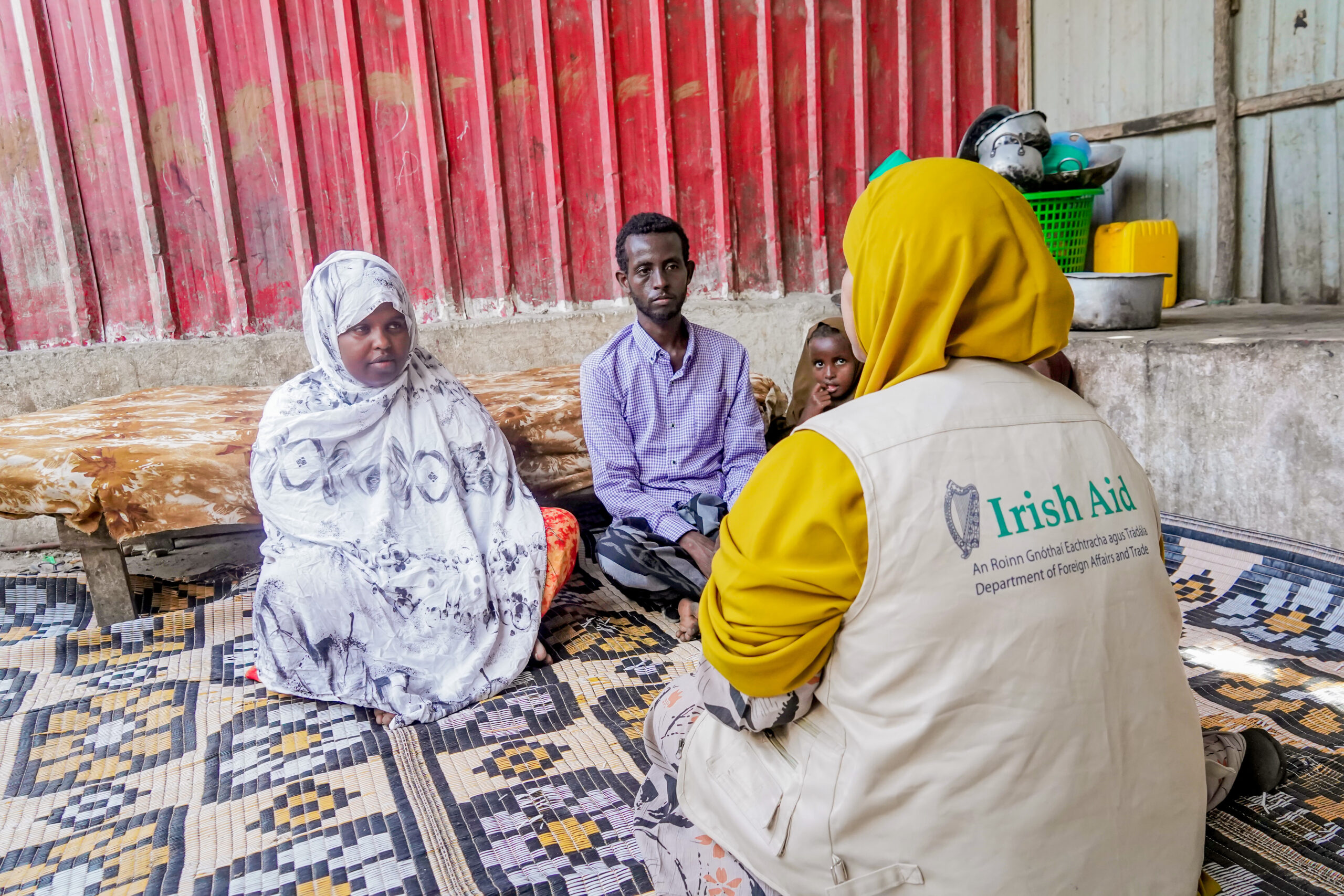
This case demonstrates that Gender Transformative Dialogue approaches are effective in the Somali context when culturally grounded and community-led. Engaging men as partners in change while integrating local values and religious principles can facilitate meaningful shifts in attitudes and behaviors.
Naimo also expressed her feelings and said”before the joining the programme sometimes he would get work while other times he wouldn’t, which caused financial difficulties. However, now he become business owner who works consistently, on the other hand, his behavior has changed; he has become someone who shares everything with me, consults me, and does not hide anything from me”.