Abdifitah and Bishar journey towards survival from malnutrition.
Background
Somalia is experiencing prolonged conflict and severe droughts, which impacts the lives of many vulnerable Somali communities, particularly women, children, the elderly, and people with special needs.
Youthlike Somalia in partnership with Concern Worldwide, implements integrated lifesaving and life-changing health nutrition, and WASH services at fixed facilities in Daynile IDP camps. With the Support from WFP nutrition program (both treatment and preventive). Weydow Health and nutrition Centre is one of IDPs supported by WFP, it provides free lifesaving primary healthcare and nutrition services, the primary targets of these services include most vulnerable community IDPs and vulnerable host communities.
Moreover, the facility provides preventive services (MAM treatment and SBCC services) and supportive components to complement nutritional needs of the vulnerable community target groups, with the main aim of preventing children and pregnant and lactating women (PLW) to fall into MAM situation. Moreover, this achieved through blanket supplementary feeding, intensive IYCF sessions, and community mobilizations, early case detection and referrals and prompt case treatments.
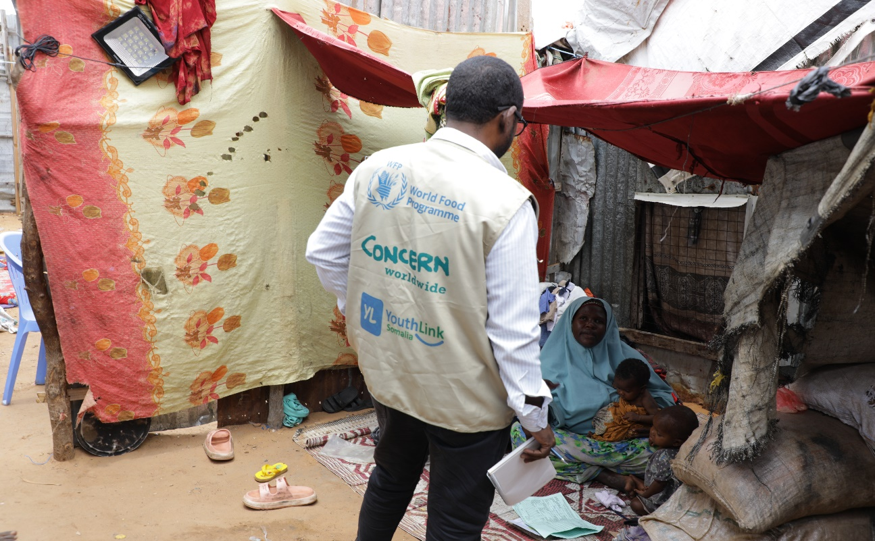
Abdifitah Mohamed Hassan (18 months old) and his brother Bashir Mohamed (42 months old) are two young children from a family of eight members, including their parents and six children. The family was displaced from Awdhegle District in Lower Shabelle due to a combination of recurrent inter-clan conflicts, clashes between Al-Shabaab fighters and government forces, prolonged drought, loss of livestock, and failure of farm production For the past eight months, the family has been living in an internally displaced persons (IDP) settlement on the outskirts of Mogadishu. Their shelter is made of sticks, iron sheets, and pieces of cloth, offering minimal protection from the weather. Before displacement, the family’s primary source of income was from small-scale farming, which provided enough food and milk from their livestock to sustain them. However, the recurrent droughts destroyed their crops, which made life increasingly difficult, eventually forcing them to flee their home, The persistent insecurity and worsening drought conditions left them with no choice but to move to Mogadishu in search of safety and better living conditions. “The majority of people fled from our village to seek a better life. As the situation continued to deteriorate, we decided to move our family earlier this year to Garasballey District, specifically to Sowda IDP Camp,” said Luul, the mother. Currently, the living conditions of Luul’s family remain dire, with very limited humanitarian assistance. During a recent home visit by the Youth-ling staff, it was observed that Luul has almost nothing to provide for her children, except for the support she receives from the WFP supporting program (TSFP
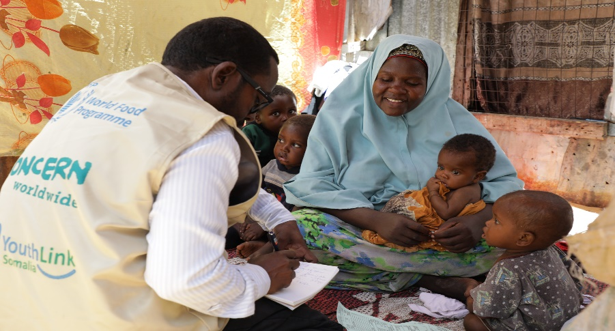
“As everyone might know, life in the rural areas was not easy or supportive for us during those difficult times. We were agro-pastoralists and owned a few animals such as cows and goats. We also had farmland, but due to the prolonged drought, we lost everything our livestock left and our farm remained unproductive for several years. As a result of these combined hardships, my children grew weaker and fell ill. Eventually, we decided to move to the IDP camps in Mogadishu in search of survival, better living conditions, medical care, and humanitarian assistance. Unfortunately, three of my children became malnourished as a result of these challenges.
Bashir and Mohamed’s family safely arrived at the Mogadishu IDP camps and settled at Sowda IDP site, located in Garasbaley District. After settling, the mother began seeking medical support for her sick children especially for Mohamed and Bashir, whose conditions were worsening day by day. However, she was unsure where and how to find the necessary assistance.
On 14th June 2025, a dedicated team of community health workers (CHWs) from Youth Link, based at Weydow Health Centre, were conducting routine community mobilization and active case finding in the nearby IDP settlements when they met Luul and her children at Sowda IDP camp. The CHWs screened the children and recorded a MUAC measurement of 11.7 cm, indicating Moderate Acute Malnutrition (MAM). They then referred the children to Weydow Health Centre for further diagnosis and treatment. Mohamed and Bashir were weak, and their family already struggling with limited resources and food insecurity had noticed their deteriorating condition but did not know where or how to seek help.The CHWs advised Luul to take her sons immediately to Weydow Health Centre, where a WFP-supported Targeted Supplementary Feeding Program (TSFP) was ongoing, and one of the CHWs accompanied them to ensure a smooth referral
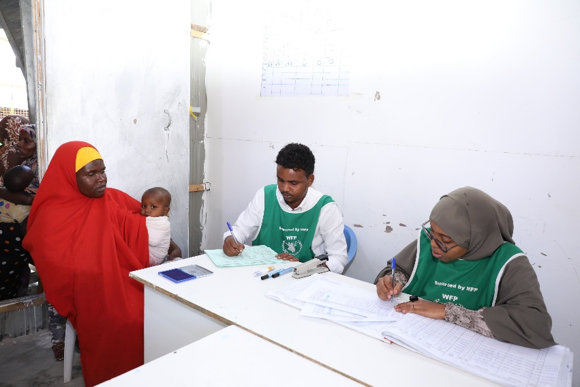
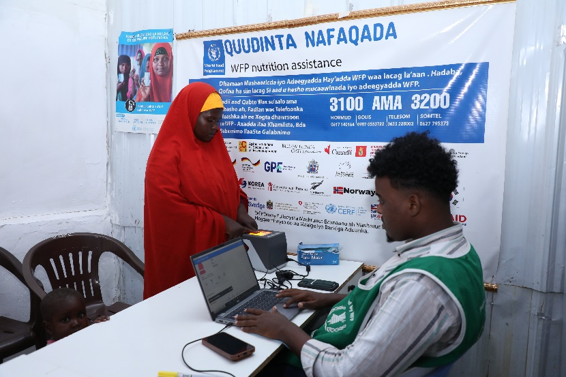
Fortunately, after three months in the TSFP program, Bashir and Mohamed’s nutritional status improved significantly, and both fully recovered from Moderate Acute Malnutrition (MAM). This was a positive indication that the children were responding well to treatment. Subsequently, the TSFP team referred them to the Preventive Program (BSFP) at the same health facility to help maintain their nutritional progress. Finally, Mohamed and Bashir were enrolled in the BSFP program to prevent a recurrence of malnutrition.
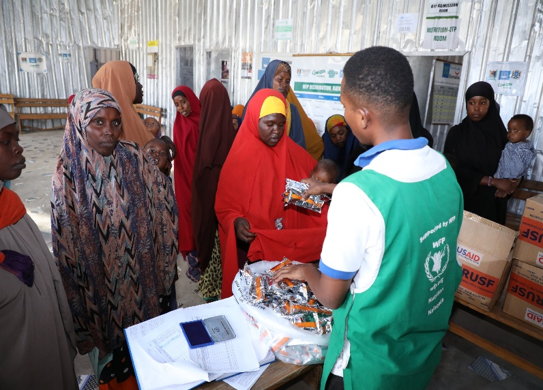
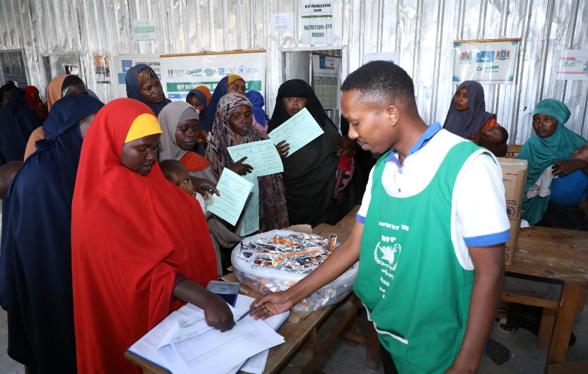
Finally, Luul explains her feelings after the treatments in the below remarks.
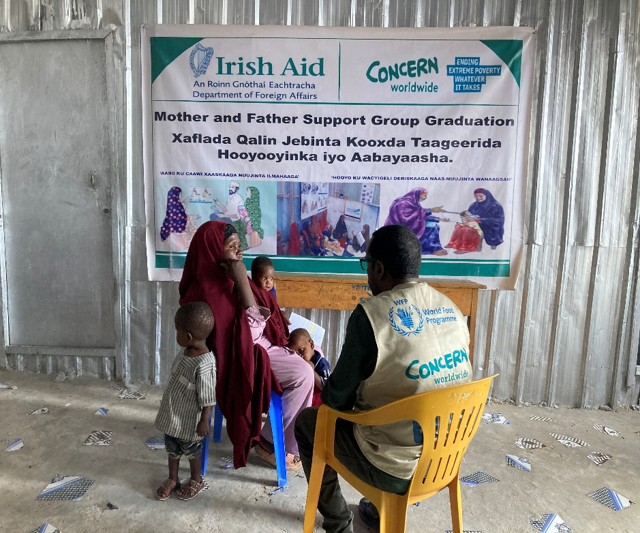
“When I arrived here, my children couldn’t eat food he was not able to play with other children, as he was very weak, but after taking the (RUSF) and other essential medicines. He began to walk on his own and play with the other children. Now, he is very healthy. Alhamdulillah.” I would really like to appreciate the support provided to my son throughout the course of treatment and I am especially thanking to Youthlike, Concern Worldwide team and WFP,” Luul Said.
Conclusion:
This case study highlighted the vital role that targeted supplementary feeding program can play in addressing acute malnutrition in vulnerable and displaced populations. The ’s journey from the day identified they are suffering from MAM till recovery from all forms of malnutrition highlights the effectiveness of TSFP MAM programs in saving lives and changing lives and contribute improving the health and well-being of children in Somalia especially Mogadishu IDP settlements.
END