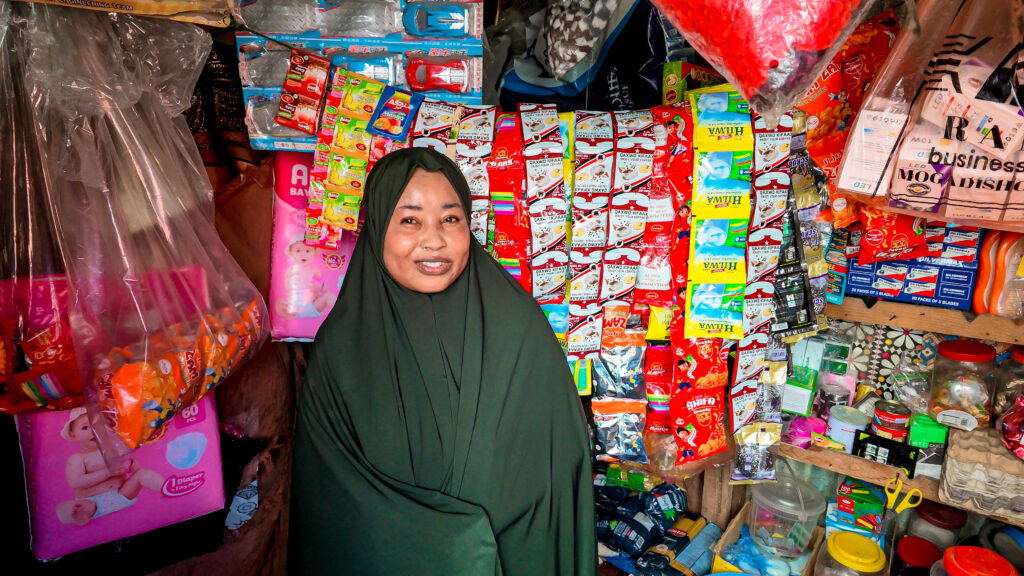
Safi Muse Guled is a 41-year-old mother of 3, one son and two daughters, living in Dalxiis, Yaqshid District, Banadir Region. A village with congested settlements and barely any roads and other essential infrastructure, hosting a large population of extremely poor households with no regular income and limited opportunities for making income.
The self-help Groups model of the programme was meant to build basic awareness, skills, and confidence to promote improved financial behavior and the ability to use financial mechanisms such as savings and loans taken from financial service providers, Safia was selected to be a member of one of the SHGs in Yaqshiid.
Safi grew up an orphan with her mother in a small village in Middle Shabelle and married at 16 to a male relative. A year later, at the age of 17, she gave birth to her first child, a daughter. As a young mother, she faced further challenges in her marriage. Her husband neglected his responsibilities and eventually moved to another city without providing financial support for her family. Safi decided to return to live with her mother since she could live without bills.
Determined to create a better future for her daughter and support her family, Safi decided to migrate from Hawadley in the Middle Shabelle Region to Saudi Arabia, seeking better livelihood opportunities and a more stable life. She spent (7) seven years working in Saudi Arabia, mainly as a domestic worker, carrying out cleaning and cooking duties for a Saudi family while also fulfilling her responsibilities as a mother since she married again and gave birth to children. During her time in Saudi Arabia, Safi experienced both personal and financial hardships.
However, she also suffered multiple miscarriages and endured many challenges while trying to balance work and household life. After seven years, she was deported to Mogadishu and later divorced. Upon returning to Somalia, Safi relocated to Mogadishu with her family and worked hard to rebuild her life. She remarried and started a small business to cover her family’s daily needs and contribute to the support of her mother’s household. For a period, the business provided a source of income and hope for a more secure future. However, when Safi became pregnant with her youngest child. During labor, she had complications that caused her uterus to rupture, resulting in the death of the baby and emergency surgery to remove her uterus completely. The medical complications also forced her to stop running her business, leaving her without a reliable source of income. Although she eventually recovered physically, the financial and emotional consequences were damaging. In the aftermath of these events, Safi found herself unemployed, struggling to support both her own children and her mother’s household in Yaqshid District. The loss of her baby, combined with the inability to have more children due to the surgery, placed significant strain on her marriage, which eventually ended in divorce. This marked her third divorce.
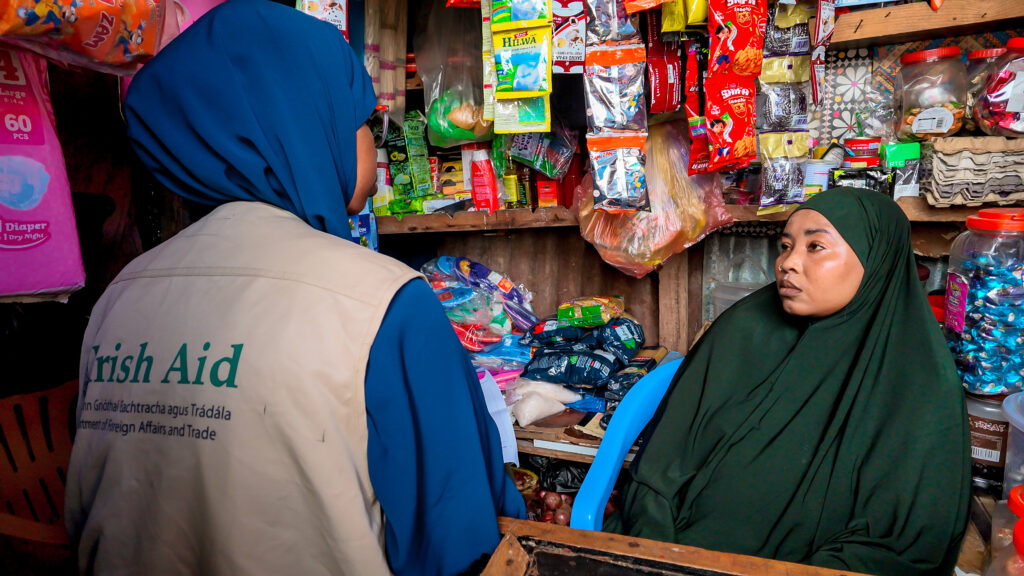
Despite giving birth to several children throughout her life, only three survived, while the others passed away at a young age, including miscarriages. Having endured orphanhood, migration, repeated family disruptions, health complications, child loss, a lack of educational background and economic hardship, Safi Muse Guled was jobless for a while when Safi selected her for the CRESS programme participants, which was funded by Arish Aid through Concern Worldwide, the local Community Resilience Committee, when she met the selection criteria in February 2026, and she has become a member of Quruxsan SHG existing in Dalxiis Yaqshid district.
She benefited from a financial literacy class for 8 months, where she learned how to read and write, SHG training (3 training sessions), the first module training of basic SHG concepts, Business Development Services (BDS) training to equip the SHG with knowledge of business, and Group Dynamics training. Safi attended coaching and mentoring sessions to support her life skill-building and developing a business plan for start-ups of business, gender transformative dialogue sessions. She also received 12 months of consumption support for $20 per month, a fuel-efficient stove, a solar panel and capital assets. She started a small shop (kiosk) which sells groceries, household utensils, vegetables, and children’s sweet items.
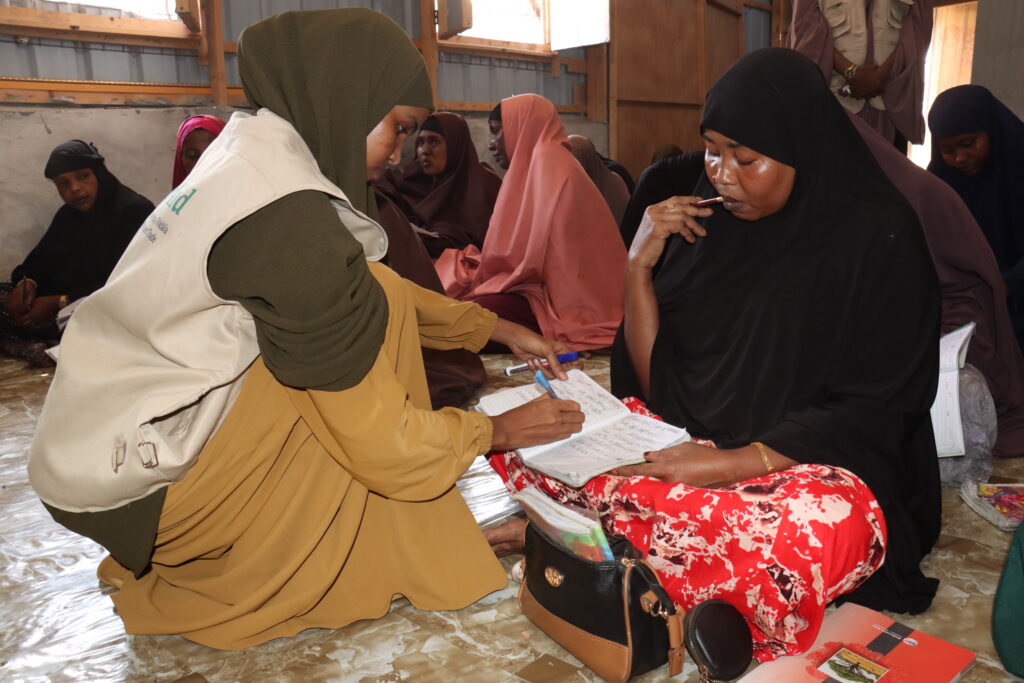
“I joined the programme at a time when I needed support. Through the programme, I gained valuable skills and knowledge, including basic literacy and numeracy. Before, I did not know how to read and write, not even how to write my own name or phone number. I also learned how to keep records of my business transactions. Previously, I did not record loans, and I often lost track of how much money I had lent to others. Now, I use a loan record book and keep proper records of all transactions. In addition, I save regularly with my Self-Help Group. Every month, I contribute $30, consisting of $5 for regular savings and $25 for business savings, as agreed by our group members. We continue to save consistently and support one another. Our group has become like a family, where we understand each other, make collective decisions, and work together to solve conflicts. Starting my own business gave me a reliable source of income to meet my family’s daily needs, including food, healthcare, house rent, and school fees for my two children. Today, I have hope for the future and aspire to expand my business further. I am grateful to all the organizations that supported me and helped me rebuild my life.” Safi said.
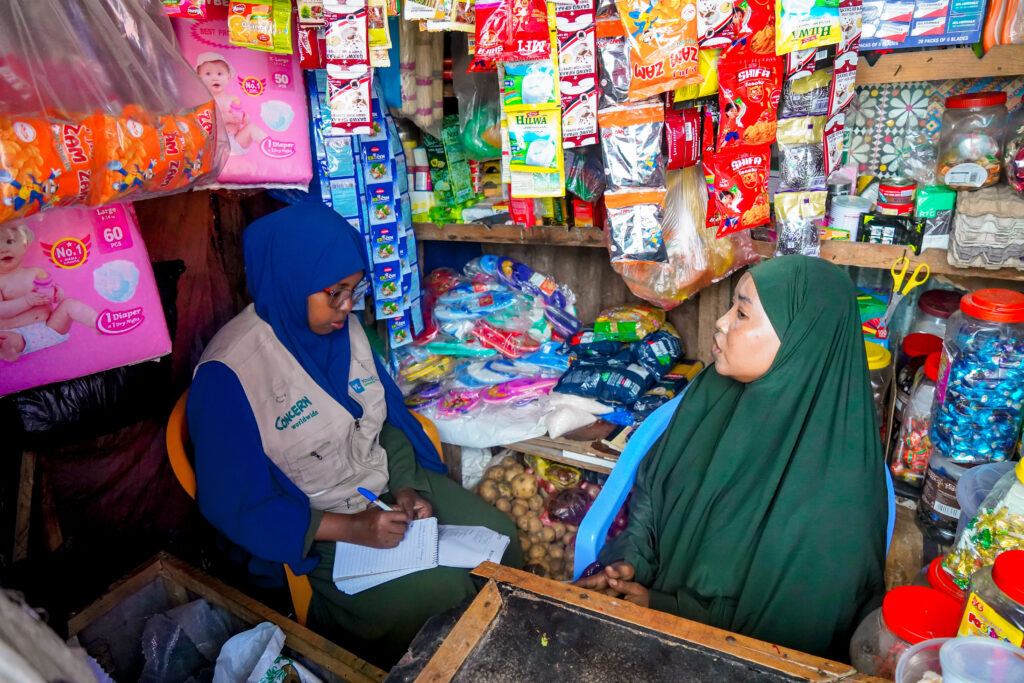
afi’s story reflects remarkable resilience and determination. Despite the many challenges she has faced, she continues to strive for a better future for herself, her children, and her family. The story demonstrates that targeted livelihood support, skills training, and participation in Self-Help Groups (SHGs) can significantly improve the resilience and confidence of vulnerable women facing multiple social and economic challenges. One of the key challenges encountered was her limited literacy and business management skills, which made it difficult to track loans, manage finances, and run a sustainable business.